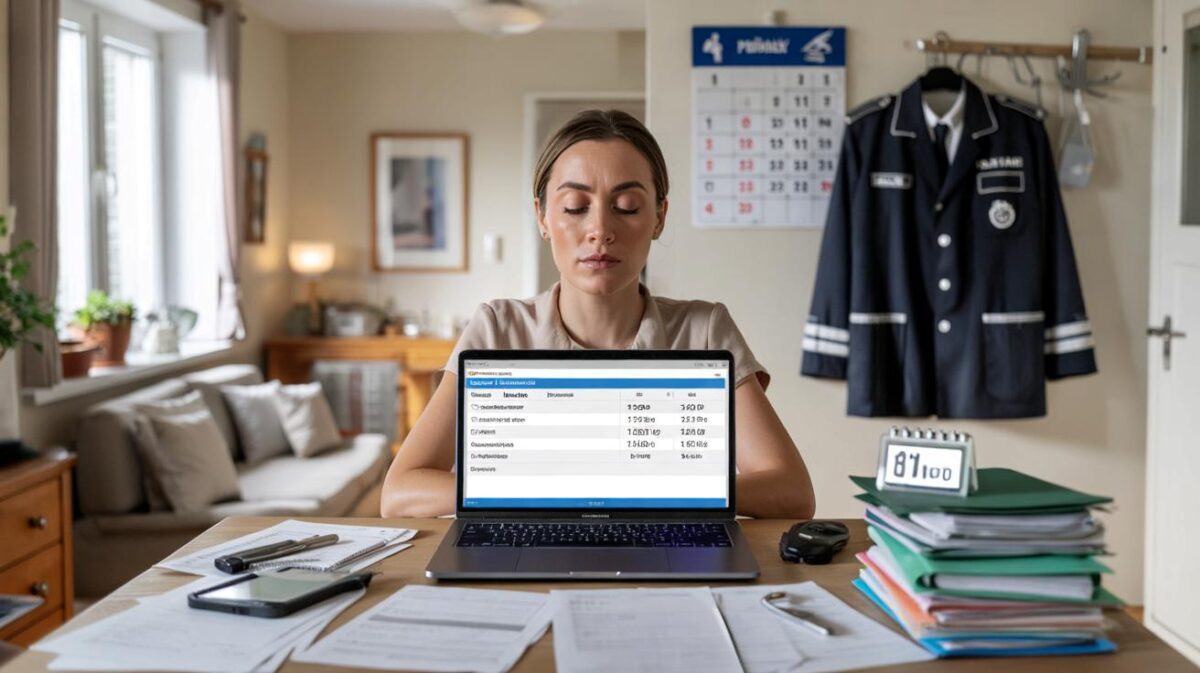
The supermarket queue is oddly quiet. No background hum of small talk, just people staring at the screen where the total keeps jumping higher and higher. A woman in front of you pulls a yogurt pack from her cart at the last second, then a bottle of juice. You watch her face as she hesitates, doing mental math that clearly doesn’t add up.
At home, it’s the same story. Rent email, higher. Electricity, higher. Even the cheap coffee doesn’t feel cheap anymore. You scroll through your bank app at night, half annoyed, half scared, wondering how normal people are supposed to keep up.
Somewhere between “treat yourself” and “cut everything fun”, there has to be another way.
Facing the new price reality without denying it
The first shock isn’t the numbers. It’s the moment you realise your old budget no longer describes your life. The same income, the same habits, and suddenly you’re short every month, with no big purchase to blame. Rent hasn’t doubled, but food has crept up, transport costs bite more, and that “little streaming” stack quietly became a third bill category.
The weird part is how fast we adjust on autopilot. You tap your card, you sigh, you move on. But the gap doesn’t close by itself.
Take Sam, 34, who thought he had a solid grip on his money. He used to save around $200 a month without even thinking about it. Over the past year, that cushion vanished. At first, he blamed one-off things: a dentist appointment, a train ticket, a friend’s wedding.
Then one night, he pulled his last 12 months of statements and created two simple columns: “must live” and “chose this”. Groceries had climbed by 23%. Transport by 15%. Lunches out by far more than he wanted to see in writing. Nothing wild, just slow, quiet inflation with a social life on top.
Once the anger passes, a clear pattern appears. Prices rise; wages rarely keep the same pace. Algorithms nudge us toward subscriptions, upgrades, faster deliveries. Social pressure whispers that saying “no” is stingy. So we tell ourselves we’re bad with money or just unlucky, when the landscape itself has shifted under our feet.
Realistic money management starts with that blunt truth: *your old rules don’t work in this new game*. Hanging on to them only deepens the frustration.
Designing a budget that actually survives rising prices
The classic advice says “track every expense”. Let’s be honest: nobody really does this every single day. A more realistic method is a quick weekly check-in, like doing laundry for your finances. Ten to fifteen minutes, same time each week, just three questions: What went out? What surprised me? What can I change next week, not next year?
➡️ This role offers stable income even without annual raises or promotions
➡️ People who feel pressure to cope alone often internalize emotional responsibility
➡️ Psychology explains why emotional processing can feel slow but intense
➡️ The haircut that makes fine hair look thicker without layers or heavy styling
➡️ Workers in this field are in such high demand that salaries keep rising every year
➡️ “This creamy dinner is what I cook when I don’t want leftovers hanging around”
➡️ “I managed to save $5,000 in 12 months without earning a single extra dollar”
➡️ “I’m over 60 and my mornings felt rushed”: the cortisol peak I misunderstood
Set up three big buckets instead of twenty categories: **fixed life costs**, **flexible living**, and **future you**. Fixed life is rent, essential bills, basic food. Flexible living is eating out, fun, small treats. Future you is savings, debt repayment, and that emergency number that keeps you sleeping at night.
Rising prices hit the “flexible living” bucket first, so protecting it in a smart way matters more than cutting all joy. Think small, recurring moves, not dramatic vows. One couple I spoke to chose “downgrade over delete” as a rule. They kept their date-night ritual, but shifted to cooking one new recipe together every Friday instead of going out twice a week.
That freed around $120 a month, without touching the emotional value of the ritual. Another friend swapped a 10-minute drive for a 20-minute walk twice a day. Gas bill down, step count up. No spreadsheet, just a conscious trade.
Logically, a stable money plan in an unstable price world has three layers. First, you lock in what must be paid no matter what, and negotiate or shop around once a year: internet, insurance, phone, energy. One email or call can shave a few percent that compound over time.
Second, you put a hard ceiling on your monthly “flexible living” number, paid out of a separate account or card. When it’s done, it’s done. That one border can quietly save hundreds. Third, you treat “future you” like rent: automatic payment, non-negotiable, even if it’s just $20 a month to start.
Small moves that matter more than big sacrifices
A practical way to adapt is to think in “swaps”, not in “stops”. Instead of “no more coffee out”, choose “two coffees out, the rest at home with nicer beans”. Instead of “no holidays”, try “one shorter trip, but booked early with alerts set on prices”. That mindset is less violent, and you’re more likely to stick with it.
A useful trick is the 24-hour rule for non-essential spending over a set amount, like $30. See something you want? Take a screenshot, wait one day. If it still feels right, buy it. If you’ve forgotten it, your future self just got a little raise.
The biggest mistake people make in this moment is going straight into guilt and extremes. They cancel every treat, then binge-spend after a bad week. Or they ignore the numbers entirely, because they’re scared of what they’ll see. Both reactions are very human, especially when prices keep climbing and you feel powerless.
Try talking to yourself the way you’d talk to a friend. “Okay, this month went off track. That doesn’t make me irresponsible. It means I need one small change, not a personality transplant.” Money management during inflation isn’t about heroics. It’s about tiny, boring moves done often enough that they start to feel normal.
“Budgeting isn’t about punishing yourself; it’s about buying back a sense of control in a world that feels more expensive than ever,” says Laura, a financial coach who works with middle-income families.
- Track once a week, not every second of your life
- Group costs into three big buckets, so your brain doesn’t drown in details
- Negotiate at least one bill every quarter
- Use a hard limit for fun money with a separate card or account
- Automate even a tiny amount for savings or debt, so progress happens in the background
Living with rising prices without feeling like money is your whole life
There’s a strange relief that comes when you stop pretending things will “go back to normal” and accept that this is the new baseline. Once you stop fighting yesterday’s prices, you can start designing a life that works with today’s numbers. That might mean fewer impulse dinners out, and more shared meals at home with friends bringing a dish. Less random shopping, more swapping, borrowing, or buying second-hand without feeling embarrassed about it.
The emotional side matters as much as the math. Money stress eats your attention, your sleep, and sometimes your relationships. Sharing real numbers with a partner, a trusted friend, or even a stranger online in a money forum can break that loneliness. It’s not just you. It never was.
What often changes everything is shifting the core question from “How do I keep up with everyone else?” to “What do I actually want my money to do for me this year?” For some, that means scraping together a tiny emergency fund, so a broken washing machine doesn’t become a crisis. For others, it’s paying down one heavy credit card, or finally saving for a skill that might raise their income later.
None of that looks glamorous on Instagram. Yet those quiet decisions are the real shield against rising prices. Even if you move slowly, you’re moving. And that movement itself can feel like a small form of freedom.
| Key point | Detail | Value for the reader |
|---|---|---|
| Update your budget to today’s prices | Use three big buckets and a weekly check-in instead of complex daily tracking | Makes money management doable in real life, not just in theory |
| Protect joy, not just survival | Use swaps, hard limits, and “downgrade over delete” to keep a life you recognise | Reduces frustration and helps you stick to your plan long term |
| Automate progress | Small, automatic payments for savings or debt that run in the background | Builds resilience quietly, even on a tight budget |
FAQ:
- Question 1How often should I review my budget when prices are rising?
- Answer 1Once a week for 10–15 minutes is enough for most people. That rhythm catches creeping costs early without turning your life into a spreadsheet.
- Question 2Is it still worth saving small amounts when everything is so expensive?
- Answer 2Yes. Even $10–$20 a month builds the habit and gives you a tiny buffer. The amount can grow later; the habit is the hard part.
- Question 3Should I focus on debt or savings first?
- Answer 3Often a mix works best: a mini emergency fund (for example $300–$500) so you don’t add new debt, then aggressive focus on the highest-interest balance.
- Question 4How do I talk to family or friends when I need to spend less?
- Answer 4Be direct and simple: “I’m tightening my budget right now, can we do cheaper or home-based plans?” Most people are relieved someone said it out loud.
- Question 5What if my income just isn’t enough, even with a strict budget?
- Answer 5That’s not a personal failure. Look at both sides: expenses and income. Small side jobs, negotiating pay, or learning a higher-paying skill can be as crucial as cutting costs.